
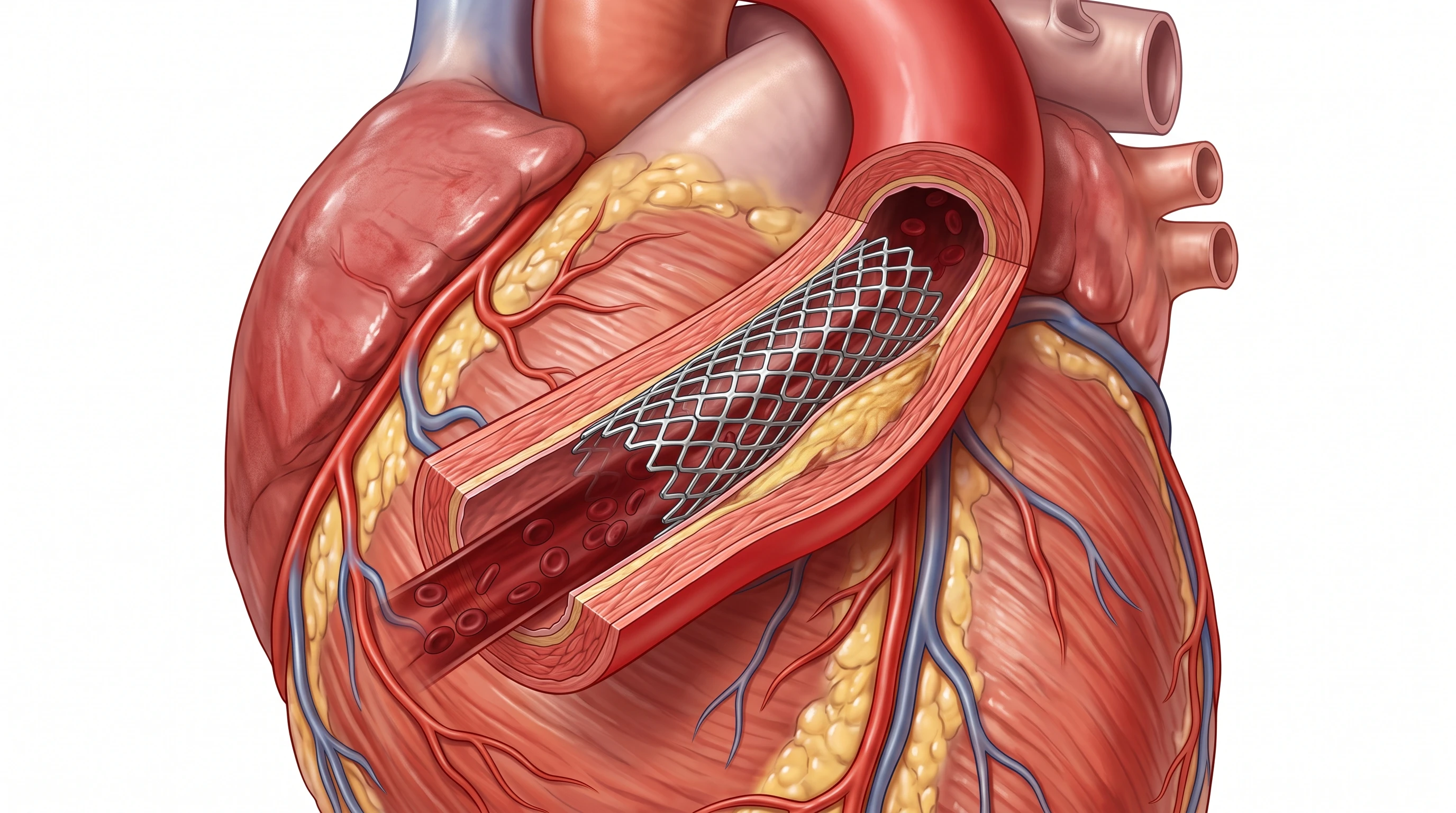
 For years, I had my cholesterol checked in the military, and every time, the lab report showed high numbers. But no one ever handed me a prescription, and no one explained how high cholesterol can quietly increase my chances of heart disease. Looking back, I wish I’d known about the risk of blocked arteries and how something like a coronary stent might become important in someone’s health adventure.
Now, after learning more about heart health, I understand much better what a coronary stent does, who might need one, and how life changes after getting it. I want to break down everything I’ve learned so far about coronary stents, especially for anyone who, like I was, doesn’t know what to expect or why it really matters.
Why Heart Arteries Can Get Blocked (And What That Means for You)
When cholesterol stays high for a long time, it can build up on the insides of artery walls. Over time, this buildup, called plaque, makes it harder for blood to flow to your heart. If one of these arteries gets too narrow, blood struggles to get where it’s needed. That’s when symptoms such as chest pain or shortness of breath can show up, but sometimes there are no symptoms until something serious happens, like a heart attack. That’s what makes heart disease such a silent problem for many people.
I only really understood the situation after talking with a cardiologist who explained that untreated high cholesterol is a big reason why arteries can clog. If the artery gets too narrow or totally blocked, doctors might recommend a procedure to open it up, which is where a coronary stent comes in.
What Is a Coronary Stent?
A coronary stent is a small, meshlike tube made from metal or, in some cases, a polymer. Doctors use it to prop open an artery that has been narrowed by plaque. The goal is to keep blood moving smoothly to your heart muscle. Sometimes, the stent is coated with medication to help keep the artery from getting blocked again.
The stent itself looks almost like a tiny spring. It’s delivered into the problem spot in the artery with a catheter, usually threaded up through the wrist or groin. Once in place, the stent is gently expanded so it presses against the artery wall, holding it open. The entire process is called a percutaneous coronary intervention, or more commonly, angioplasty with stent placement.
- Baremetal stents: Simple metal stents without drug coating, mainly used when bleeding risk is high.
- Drugeluting stents: Coated with medicine that helps keep the artery from closing up again. These are more common today.
When Do You Need a Coronary Stent?
Coronary stents are not given to everyone with blockages. The decision is based on how severe the blockage is, the type of heart symptoms, and what other treatments have already been tried. In my personal experience and from talking with doctors, stents are usually recommended if someone has:
- Severe chest pain (angina) that doesn’t improve with medication.
- A heart attack, where quick opening of the blocked artery is needed.
- A single or a few narrowings in important arteries that supply a big part of the heart.
If arteries are blocked in many areas or if the heart has already been damaged, surgery might be a better fit. Other times, medications and lifestyle changes are enough, especially if blockages aren’t causing symptoms. That’s why decisions are so individual. What’s right for one person might not be for another.
What to Expect During and After a Stent Procedure
I remember talking to someone who had a stent placed and was surprised by how quick the recovery was. The procedure itself is done in a special hospital suite called a cardiac cath lab. Most people stay awake, but comfortable, thanks to sedating medication.
Here’s how the process usually unfolds:
- A small incision is made in the wrist or groin, and a thin tube (catheter) is threaded to the heart.
- Doctors use X-ray pictures and sometimes dye to see the blockage.
- A tiny balloon opens up the blockage, and then the stent is placed to keep the artery open.
- The whole thing typically takes 30 minutes to a few hours, depending on how many arteries are involved.
Afterwards, most people rest in the hospital overnight. Some go home the next day, especially if everything goes smoothly. I’ve heard from people who returned to normal routines in less than a week, but everyone’s timeline looks a little different. Make sure to ask your doctor what to expect for your situation, since recovery can vary based on your health before the procedure and how things go during it.
Living with a Coronary Stent: What Changes?
Getting a stent is just one step. You don’t graduate from heart disease treatment after the procedure. Instead, it motivates most people I know to take an even closer look at their health. After a stent, there are some things to keep in mind:
- Medications: Most people take one or two types of blood thinners for at least several months to lower the chance of a blood clot forming inside the stent. Skipping doses is risky, so this becomes a new part of daily life.
- Cholesterol control and diet: For me, learning about cholesterol’s real impact was a wake-up call. Doctors usually recommend cholesterol lowering medicines (statins) along with changes in diet, such as eating more fruits, vegetables, whole grains, and less saturated fat.
- Exercise and lifestyle: Regular activity and quitting smoking, if needed, are super important. Cardiac rehab programs can help guide safe exercise in the weeks after a stent.
Some people find it tough to adjust to new habits at first, but sticking with a new routine pays off. Tracking your cholesterol numbers, keeping up with checkups, and noticing any new symptoms can make a big difference over time. Over several conversations, I learned that even small changes in how you eat and move can really give a boost to your heart health. Support from family and friends can help too, especially if they join in on healthy eating and exercising with you.
Why Knowledge About Cholesterol and Heart Disease Matters
Looking back, I wish someone had explained sooner how unchecked cholesterol can lead down the road to needing things like a coronary stent. Careful research helps people make informed decisions. Regular checkups, knowing what lab results mean, and taking action—whether that means adjusting diet, sticking with prescribed medications, or asking questions about new health recommendations—can help keep things on track.
Today, I talk more openly about heart health and encourage friends and family to ask their doctors about cholesterol, blood pressure, and personal risk. Understanding how a coronary stent works, and even more importantly, how to lower the chance of ever needing one, can help anyone lead a healthier, longer life. Staying sharp about your own risk is one of the best ways to prevent problems before they start. Even if you don’t have heart problems today, forming good habits now can make a big difference for years to come. The bottom line: keep learning, ask questions, and don’t wait to take your heart health seriously.
This post really helped me understand more about coronary stents, especially since my dad was recently diagnosed with hypercholesterolemia and we’re now exploring what treatment options might look like for him. I appreciate how clearly you explained not just what a stent is, but also when it’s actually needed. It makes me realize that it’s not automatically the next step for everyone with high cholesterol.
As someone trying to support a loved one, I’m curious: after a stent procedure, how do families usually help ensure that lifestyle changes, like diet and exercise, stick long term, especially when the patient is older and set in their routines?
It’s entirely different for each patient, and ultimately up to them. Family could simply fill the medicine into a pill planner and help set reminders on the phone or something like that. It’s difficult to change old habits but sometimes just needs to be suggested.
Very interesting article. I have heard of stents but was never exactly sure what they did and how they worked. It is comforting to know that there is help for blocked arteries as before people would not have these opportunities and end up surcoming to a heart attack and sometimes without even realizing they had a problem. That is why is is so important to keep checking on your cholesterol levels.
How often should one have their cholesterol levels checked?
That’s a great question for your doctor or nurse. It rather depends on your risk level and history. You make a great point, so I’m building a pictograph with image creator to let people know about the symptoms to be aware of.Thank you so much for reading and visiting, it makes a great community to have people like you here
Nurse Becca
Becca, this does a good job of turning a scary topic into something approachable without losing the seriousness. The way you connect high cholesterol, blocked arteries, and the role of a coronary stent makes the whole path much easier to understand, especially for readers who may not know what questions to ask yet.
I also appreciate the reminder that a stent is not the finish line, since meds, rehab, diet, and follow-up all matter just as much. One thing I’d be curious about is how someone can tell the difference between symptoms that need urgent attention and symptoms that can wait for a regular doctor visit?
Dear Aly,
I had to put more thought into my answer for you, if symptoms are unrelieved with your regimen, it could be urgent and may get to be a more emergent circumstance if ignored. This is really a better question for your doctor as well. But, these are my initial thoughts.
Thank You & Kind Regards,
Nurse Becca
Thank you for sharing such a personal experience. It takes courage to write about health challenges, and stories like yours can encourage people who may be facing a similar journey. I appreciate your honesty and willingness to help others through your own experience. Looking back, what advice would you give someone who has recently gone through the same procedure? Wishing you continued good health and thank you again for sharing your story.
You’re very welcome, I’m happy you enjoyed it.
Kind Regards,
Nurse Becca
One thing that really stood out to me is the reminder that a stent doesn’t mean the underlying heart disease has simply been “fixed.” I think it would be very easy for someone to view the procedure as repairing a clogged pipe and assume the problem is over, when managing cholesterol, diet, exercise, and medications afterward is still so important.
I also found your experience with cholesterol testing interesting. We often hear that we should “know our numbers,” but knowing the number isn’t terribly useful if no one explains what it means or what we should do about it. That seems like an important lesson for any of us who get regular blood work: don’t just accept the results—ask questions about them.
Since you mentioned wishing someone had explained the significance of your high cholesterol earlier, what questions do you think patients should be asking their doctors when their cholesterol numbers come back high?
I wasn’t the patient in that incident, thankfully my cholesterol levels are just fine.But, important questions would be: what dietary measures to take to lower bad cholesterol and if there may be a medication that could help. Exercises to lower cholesterol? Stuff like that. Take common sense measures to help lower cholesterol like walking and lowering fried meats.
Thank you for reading and replying!
Kind Regards,
Nurse Becca